

INFORMATION
タイ国政府は、2028年までの経済協力開発機構(以下「OECD」という。)への加盟を国家目標として掲げ、官民一体となった国家的取組を主導している。その契機は、2018年に開始された「タイ・OECDカントリー・プログラム」の下で推進されてきた政策対話及び法制度改革にある。
2024年6月17日にはOECD理事会がタイ国との加盟交渉の開始を正式に決定した。これを受け、同年7月には、OECD加盟国38か国により「タイ国加盟ロードマップ」が採択されるに至った。さらに2025年12月8日、タイ国政府はOECDに対し「初期覚書」(Initial Memorandum)を提出した。初期覚書作成においては、OECDの法的文書とタイ国内の法令、政策及び行政実務との間に存する乖離について、人工知能(AI)を活用した網羅的なギャップ分析が行われた。
OECDは今後、2026年第4四半期から2027年第1四半期にかけて、初期覚書の内容を検証するための「技術審査」(Technical Review)のためにタイ国へ乗り込む。これに伴い、広範な分野にわたる法制度改革が2028年(またはそれ以降も)の間で急速な進展(混乱を含む。)が予見される。
化学物質規制分野における主要な法制度改革;
- GHSの完全整合化:国内基準について、最新の国際改訂版との整合
- 国家化学物質インベントリー及びデータ統合:包括的な国家データベースを構築するとともに、現に分散している各種データ基盤の一元的統合を推進すること。GLPによるデータの相互受理を含む。
- PRTR制度の導入:化学物質排出移動量届出制度(Pollutant Release and Transfer Register)に係る枠組みを整備すること。
- PSM及び貯蔵基準の高度化:プロセス安全管理(Process Safety Management)及び化学物質の貯蔵基準を国際水準まで引き上げ
- 環境影響評価制度の刷新:現行の環境影響評価(EIA)制度の抜本的な見直し
以上
The Thai government is currently spearheading a nationwide initiative, encompassing both the public and private sectors, with the ambitious goal of acceding to the Organisation for Economic Co-operation and Development (OECD) by 2028. This momentum primarily stems from the initiation of policy dialogues and legal reforms under the Thai-OECD Country Programme, which commenced in 2018.
A significant milestone was reached on June 17, 2024, when the OECD Council formally decided to open accession discussions with Thailand. This was followed by the adoption of the "Accession Roadmap for Thailand" by the 38 OECD member countries in July of the same year. Furthermore, on December 8, 2025, the Thai government submitted its "Initial Memorandum" (IM) to the OECD. Notably, this document utilized Artificial Intelligence (AI) to conduct a comprehensive gap analysis between OECD Legal Instruments and Thailand’s current laws, policies, and administrative practices.
Looking ahead, the OECD is scheduled to conduct a "Technical Review" to verify the Initial Memorandum between the fourth quarter of 2026 and the first quarter of 2027. Consequently, we anticipate an acceleration of rapid legal reforms across a wide spectrum of sectors in Thailand.
The major topics in chemical regulation include;
- Full GHS Harmonization: Updating domestic standards to align with the latest global revisions.
-
National Chemical Inventory and Data Integration: Developing a comprehensive national database and integrating fragmented data platforms.
-
Implementation of the PRTR System: Establishing a Pollutant Release and Transfer Register framework.
-
Modernization of PSM and Storage Standards: Elevating Process Safety Management (PSM) and chemical storage criteria to international levels.
- Renovation of Environmental Impact Assessment System.
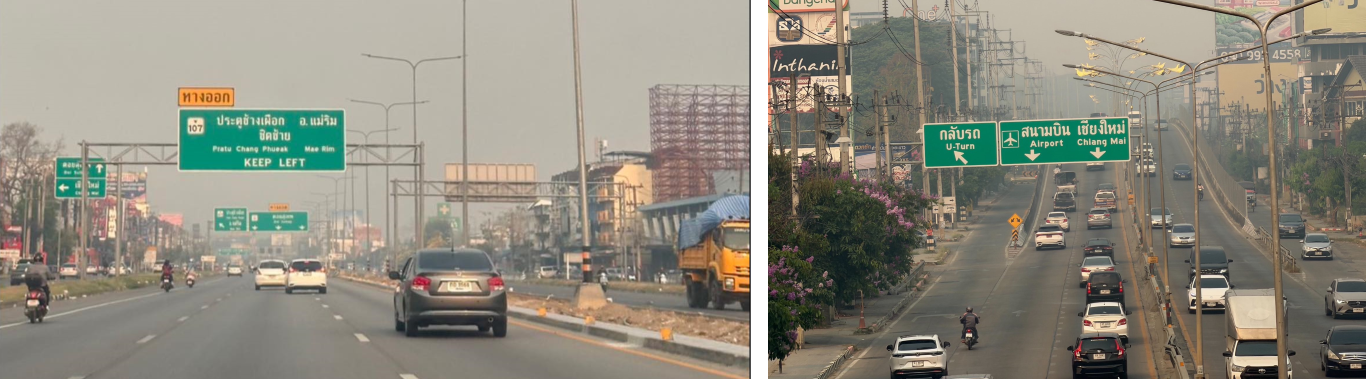
ช่วงปลายเดือนมีนาคม สถานการณ์ยิ่งตอกย้ำภาพเดิมอย่างชัดเจน เมื่อเชียงใหม่ถูกจับตาในฐานะหนึ่งในเมืองที่มีมลพิษทางอากาศสูงที่สุดของโลก คำถามจึงย้อนกลับมาอีกครั้งแบบหลีกไม่พ้นว่า ต้นตอของฝุ่นมหาศาลเหล่านี้มาจากไหนกันแน่ วิกฤตฝุ่นของเชียงใหม่เกิดจากหลายปัจจัยที่ซ้อนทับกันอยู่ตลอด ทั้งฝุ่นจากกิจกรรมของคนในเมือง สภาพภูมิประเทศ และปัจจัยทางอากาศที่ทำให้ฝุ่นไม่ยอมกระจายออกไปง่ายๆ
ปัญหาคือ เมื่อเมืองที่มีฝุ่นสะสมอยู่แล้ว ต้องเผชิญกับสภาพธรรมชาติที่ไม่เอื้ออำนวย สถานการณ์ก็พร้อมปะทุทันที เชียงใหม่มีลักษณะภูมิประเทศคล้ายแอ่งกระทะ มีภูเขาล้อมรอบ เมื่อเกิดฝุ่นหรือควันขึ้นในพื้นที่ มลพิษจึงระบายออกได้ยากกว่าพื้นที่เปิด ยิ่งในช่วงฤดูแล้งที่ลมนิ่ง อากาศปิด และการระบายตัวของอากาศต่ำ
แต่ตัวแปรที่ทำให้สถานการณ์จาก “อากาศไม่ดี” กลายเป็น “วิกฤตสีแดง” จริงๆ คือไฟป่าและการเผาในที่โล่ง
[1] https://www.iqair.com/th/thailand/chiang-mai/chiang-mai
[2] https://www.chiangmainews.co.th/disaster/3925309/
ข้อมูลจากเว็บไซต์ "IQAir" [1] รายงาน ค่าฝุ่นทั่วโลกในวันที่ 31 มี.ค.69 ค่าฝุ่นเชียงใหม่ ติดอันดับ 1 เมืองอากาศแย่ที่สุดในโลก และจุดความร้อน (Hotspot) [2] จาก GISTDA* ประจำวันที่ 28 เมษายน 2569 (รอบเช้า) ไฟป่าเชียงใหม่สะสมอยู่ที่ 10,849 จุด สถิติยอดสะสมมากกว่าปี 2568 ข้อมูลจากดาวเทียม Suomi-NPP**.
-------------------------------------------------------------------------------------------------------------------------------------
*GISTDA: The Geo-Informatics and Space Technology Development Agency
** Suomi-NPP Suomi National Polar-orbiting Partnership
(Fern)
Update on Thailand’s Transition to Risk-Based Chemical Management and Compliance Requirements for Industry Stakeholders
In light of Thailand's objective to join the OECD by 2030, the Department of Industrial Works (DIW) and the Ministry of Industry are accelerating the overhaul of the nation's chemical regulatory framework. Following the public seminar held on April 23, 2026, the following roadmap and key reform pillars have been identified for all chemical industry stakeholders (importers, manufacturers, storage providers, and transporters).
1. Timeline for OECD Accession and Regulatory Reform
The Thai government is currently undergoing a rigorous "Technical Review" phase led by the OECD’s Chemicals and Biotechnology Committee (CBC). While the ultimate goal is 2030, the next three years are critical for legislative alignment.
- February 2024: Thailand formally submitted its Letter of Intent to join the OECD.
- December 2025: Submission of the Initial Memorandum (IM), a self-assessment of Thailand’s alignment with OECD standards.
- April – October 2026 (Current Phase): Execution of the "4 Urgent Missions" project led by the DIW to bridge regulatory gaps.
- August – September 2026: On-site audits and surveys of chemical storage facilities to gather data for new safety standards.
- Q4 2026 – Q1 2027: OECD Fact-finding Missions to Thailand for on-site verification.
- June 2027: Formal Committee Discussion and evaluation by the OECD CBC.
- 2028 and Beyond (Leading to 2030): Enactment of legislative amendments (e.g., Hazardous Substances Act) based on OECD recommendations, marking the full transition from hazard-based to risk-based management.
2. The "4 Urgent Missions": Key Pillars of Reform
The DIW has identified four priority areas where industry compliance will be mandatory and strictly enforced:
- Full GHS Harmonization (Updating to Latest Revisions; 7th edition or)
- National Chemical Inventory and Data Integration
- Modernization of Chemical Storage Standards
- Implementation of PRTR (similar to TSCA, USA) and Process Safety Management (PSM)
3. Strategic Advice for Industry Practitioners
The pressure from international bodies like OECD Watch has accelerated the DIW’s timeline. Reforms that were expected to take a decade are now being compressed into a 24-month window (2026–2027).
4. Action Items:
- Budgeting: Allocate resources for SDS/label updates and potential warehouse modifications in the 2027-2028 fiscal years.
- Monitoring: Closely follow DIW announcements regarding public hearings for new drafts of the Hazardous Substances Act.
- Audit Preparedness: Ensure current storage practices are, at minimum, in full compliance with existing 2007 standards, as these will serve as the baseline for the upcoming stricter inspections.
-------------------
I had some meetings with non-DIW staffs at the venue about this matter, but they did not actively express their opinions.
4月23日(木)にバンコク都内で開催された、化学物質・有害物質管理のOECD基準への高度化セミナー(DIW主催)のキーポイントは下記の通り。
タイにおけるOECD加盟に向けた化学物質規制改革のタイムライン
| タイムライン | 特記事項 |
| 2024年2月 |
タイ政府がOECD加盟への意向表明文書を 正式に提出 。 |
| 2025年12月 |
法規制や方針の適合性を自己評価した 「初期覚書(Initial Memorandum: IM)」を OECDに提出 |
| 2026年4月〜10月(現在進行中) | 化学品保管施設に対するオンサイト監査およびアンケート調査の実施(新たな安全保管基準の策定に向けたデータ収集) |
| 2026年第4四半期〜2027年第1四半期 | OECDのChemicals and Biotechnology Committee [CBC] によるタイ国内での事実確認調査(Fact-finding missions)の実施 |
| 2027年6月 | OECD CBCによる委員会協議(Committee Discussion)および評価 |
| 2028年以降〜(2030年加盟目標へ) |
OECDからの勧告(Chair's Letters)を受け、 タイ国内法(有害物質法など)の具体的な改正と 施行 。ハザードベースからリスクベース管理への 本格的な移行 |
化学品取扱者が備えるべき「4つの急務」
- GHS分類(第7版になる可能性大)への大幅なアップデート (GHS Revision)
- 国家化学品インベントリの構築とデータ連携 (Chemical Inventory)
- 化学品保管基準の近代化と厳格化 (Safe Storage)
- PRTR制度とプロセス安全管理(PSM)の導入拡大
化学品を取り扱う企業様への注意喚起
- タイ国はOECD 加盟に向け、これまで長年滞っていた「GHSの最新版への移行」や「化学品保管基準の高度化」を、2026年〜2027年のわずかな期間で一気に進めようとしている。
- 2026年後半から始まる新たな法規制の草案発表やパブリックコメントの動向注視
- SDSの更新や化学品保管施設のコンプライアンス点検の予算・スケジュールを今から確保
他省庁の化学物質担当者と会場でディスカッションしたが、DIWの取り組みにいずれも受け身的、懐疑的だった。
以上