

INFORMATION
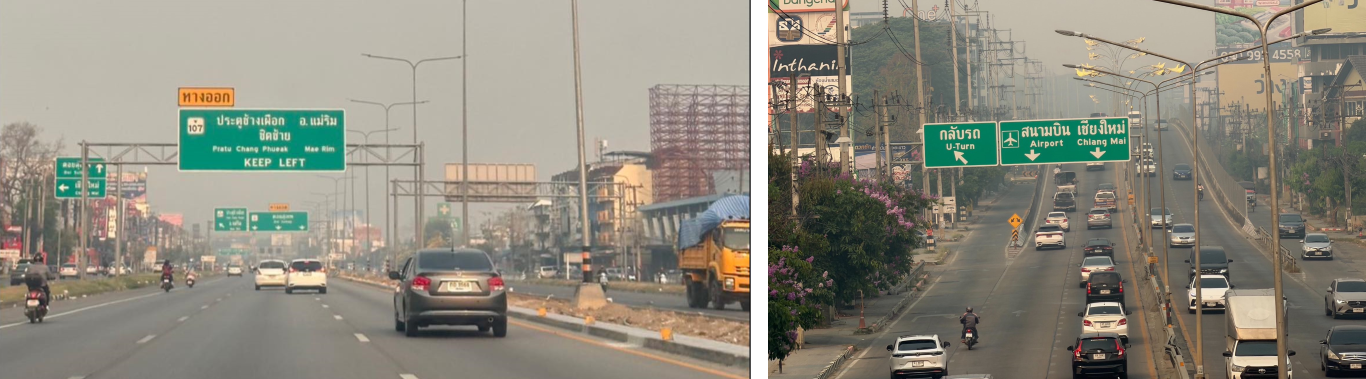
ช่วงปลายเดือนมีนาคม สถานการณ์ยิ่งตอกย้ำภาพเดิมอย่างชัดเจน เมื่อเชียงใหม่ถูกจับตาในฐานะหนึ่งในเมืองที่มีมลพิษทางอากาศสูงที่สุดของโลก คำถามจึงย้อนกลับมาอีกครั้งแบบหลีกไม่พ้นว่า ต้นตอของฝุ่นมหาศาลเหล่านี้มาจากไหนกันแน่ วิกฤตฝุ่นของเชียงใหม่เกิดจากหลายปัจจัยที่ซ้อนทับกันอยู่ตลอด ทั้งฝุ่นจากกิจกรรมของคนในเมือง สภาพภูมิประเทศ และปัจจัยทางอากาศที่ทำให้ฝุ่นไม่ยอมกระจายออกไปง่ายๆ
ปัญหาคือ เมื่อเมืองที่มีฝุ่นสะสมอยู่แล้ว ต้องเผชิญกับสภาพธรรมชาติที่ไม่เอื้ออำนวย สถานการณ์ก็พร้อมปะทุทันที เชียงใหม่มีลักษณะภูมิประเทศคล้ายแอ่งกระทะ มีภูเขาล้อมรอบ เมื่อเกิดฝุ่นหรือควันขึ้นในพื้นที่ มลพิษจึงระบายออกได้ยากกว่าพื้นที่เปิด ยิ่งในช่วงฤดูแล้งที่ลมนิ่ง อากาศปิด และการระบายตัวของอากาศต่ำ
แต่ตัวแปรที่ทำให้สถานการณ์จาก “อากาศไม่ดี” กลายเป็น “วิกฤตสีแดง” จริงๆ คือไฟป่าและการเผาในที่โล่ง
[1] https://www.iqair.com/th/thailand/chiang-mai/chiang-mai
[2] https://www.chiangmainews.co.th/disaster/3925309/
ข้อมูลจากเว็บไซต์ "IQAir" [1] รายงาน ค่าฝุ่นทั่วโลกในวันที่ 31 มี.ค.69 ค่าฝุ่นเชียงใหม่ ติดอันดับ 1 เมืองอากาศแย่ที่สุดในโลก และจุดความร้อน (Hotspot) [2] จาก GISTDA* ประจำวันที่ 28 เมษายน 2569 (รอบเช้า) ไฟป่าเชียงใหม่สะสมอยู่ที่ 10,849 จุด สถิติยอดสะสมมากกว่าปี 2568 ข้อมูลจากดาวเทียม Suomi-NPP**.
-------------------------------------------------------------------------------------------------------------------------------------
*GISTDA: The Geo-Informatics and Space Technology Development Agency
** Suomi-NPP Suomi National Polar-orbiting Partnership
(Fern)
Update on Thailand’s Transition to Risk-Based Chemical Management and Compliance Requirements for Industry Stakeholders
In light of Thailand's objective to join the OECD by 2030, the Department of Industrial Works (DIW) and the Ministry of Industry are accelerating the overhaul of the nation's chemical regulatory framework. Following the public seminar held on April 23, 2026, the following roadmap and key reform pillars have been identified for all chemical industry stakeholders (importers, manufacturers, storage providers, and transporters).
1. Timeline for OECD Accession and Regulatory Reform
The Thai government is currently undergoing a rigorous "Technical Review" phase led by the OECD’s Chemicals and Biotechnology Committee (CBC). While the ultimate goal is 2030, the next three years are critical for legislative alignment.
- February 2024: Thailand formally submitted its Letter of Intent to join the OECD.
- December 2025: Submission of the Initial Memorandum (IM), a self-assessment of Thailand’s alignment with OECD standards.
- April – October 2026 (Current Phase): Execution of the "4 Urgent Missions" project led by the DIW to bridge regulatory gaps.
- August – September 2026: On-site audits and surveys of chemical storage facilities to gather data for new safety standards.
- Q4 2026 – Q1 2027: OECD Fact-finding Missions to Thailand for on-site verification.
- June 2027: Formal Committee Discussion and evaluation by the OECD CBC.
- 2028 and Beyond (Leading to 2030): Enactment of legislative amendments (e.g., Hazardous Substances Act) based on OECD recommendations, marking the full transition from hazard-based to risk-based management.
2. The "4 Urgent Missions": Key Pillars of Reform
The DIW has identified four priority areas where industry compliance will be mandatory and strictly enforced:
- Full GHS Harmonization (Updating to Latest Revisions; 7th edition or)
- National Chemical Inventory and Data Integration
- Modernization of Chemical Storage Standards
- Implementation of PRTR (similar to TSCA, USA) and Process Safety Management (PSM)
3. Strategic Advice for Industry Practitioners
The pressure from international bodies like OECD Watch has accelerated the DIW’s timeline. Reforms that were expected to take a decade are now being compressed into a 24-month window (2026–2027).
4. Action Items:
- Budgeting: Allocate resources for SDS/label updates and potential warehouse modifications in the 2027-2028 fiscal years.
- Monitoring: Closely follow DIW announcements regarding public hearings for new drafts of the Hazardous Substances Act.
- Audit Preparedness: Ensure current storage practices are, at minimum, in full compliance with existing 2007 standards, as these will serve as the baseline for the upcoming stricter inspections.
-------------------
I had some meetings with non-DIW staffs at the venue about this matter, but they did not actively express their opinions.
4月23日(木)にバンコク都内で開催された、化学物質・有害物質管理のOECD基準への高度化セミナー(DIW主催)のキーポイントは下記の通り。
タイにおけるOECD加盟に向けた化学物質規制改革のタイムライン
| タイムライン | 特記事項 |
| 2024年2月 |
タイ政府がOECD加盟への意向表明文書を 正式に提出 。 |
| 2025年12月 |
法規制や方針の適合性を自己評価した 「初期覚書(Initial Memorandum: IM)」を OECDに提出 |
| 2026年4月〜10月(現在進行中) | 化学品保管施設に対するオンサイト監査およびアンケート調査の実施(新たな安全保管基準の策定に向けたデータ収集) |
| 2026年第4四半期〜2027年第1四半期 | OECDのChemicals and Biotechnology Committee [CBC] によるタイ国内での事実確認調査(Fact-finding missions)の実施 |
| 2027年6月 | OECD CBCによる委員会協議(Committee Discussion)および評価 |
| 2028年以降〜(2030年加盟目標へ) |
OECDからの勧告(Chair's Letters)を受け、 タイ国内法(有害物質法など)の具体的な改正と 施行 。ハザードベースからリスクベース管理への 本格的な移行 |
化学品取扱者が備えるべき「4つの急務」
- GHS分類(第7版になる可能性大)への大幅なアップデート (GHS Revision)
- 国家化学品インベントリの構築とデータ連携 (Chemical Inventory)
- 化学品保管基準の近代化と厳格化 (Safe Storage)
- PRTR制度とプロセス安全管理(PSM)の導入拡大
化学品を取り扱う企業様への注意喚起
- タイ国はOECD 加盟に向け、これまで長年滞っていた「GHSの最新版への移行」や「化学品保管基準の高度化」を、2026年〜2027年のわずかな期間で一気に進めようとしている。
- 2026年後半から始まる新たな法規制の草案発表やパブリックコメントの動向注視
- SDSの更新や化学品保管施設のコンプライアンス点検の予算・スケジュールを今から確保
他省庁の化学物質担当者と会場でディスカッションしたが、DIWの取り組みにいずれも受け身的、懐疑的だった。
以上

Graph: Montly importation of urea in Thailand from 25-M05 (May) to 26-M02(February)
During the period 25-M09 to 26-M02, the decline in import value can be explained by several key factors. Firstly, seasonality plays an important role, as fertilizer demand in Thailand is typically concentrated during the main planting season (approximately May to August). As a result, demand naturally declines during the late-year to early-year period.
At the same time, volatile and relatively high fertilizer prices have led importers to adopt a “wait-and-see” approach. Importers tend to delay purchases due to concerns that importing at high prices could result in losses if market prices decrease afterward. In addition, domestic fertilizer inventories remain relatively high (around 900,000 tons), reducing the need for immediate imports during this period.
Regarding geopolitical factors, conflicts in regions such as the Middle East have had an indirect impact by disrupting logistics (e.g., shipping delays) and increasing energy costs. These factors have contributed to higher global fertilizer prices and greater market uncertainty, prompting Thai importers to act more cautiously and slow down import activities during the period.
(Bee)
50カ国以上、140を超える団体が加盟する世界的な市民社会ネットワーク「OECD Watch」は、その書簡 [1,2]の中で、タイが現在OECDのロードマップに基づく加盟条件とプロセスを達成するには程遠い状況にあると指摘した。
[1,2]
https://www.oecdwatch.org/download/38443/?tmstv=1776839174
タイ工場局(DIW)が4月23日に主催する化学物質に関するOECDセミナーについて、主催者からの案内メールで参加者全員のメールアドレスが他の出席者に漏洩(丸見えの状態に)していることに気づき、唖然とした。
さらに、このメールアドレスの漏洩について苦情を入れたにもかかわらず、主催者からは一切の返答がない。これは、人権(プライバシー)の観点からOECD Watchの書簡の主張を裏付ける、典型的な事例と言えるかもしれない。
さらにさらに、セミナー聴講の再確認を求めるウェブ上のフォームでは、全ての組織名称が表れ、プルダウンで選択させるようになっていた。
すなわち、前述の電子メールの丸見えも偶然の産物では無さそうだ。
2030年以降にOECDへの加盟を果たしたとしても、それ以降でさえ、タイが自国の化学物質規制システムを根底から刷新していくには、まだまだ長い道のりになりそうだ。
とはいえ、OECD加盟プロセスを通して、タイが粉骨砕身して事に当たれば、旧来の考え方を変えることができるのではないか。