

blog post
Phra That Sri Mueang Pong, the Metal Castle of Chiang Mai.
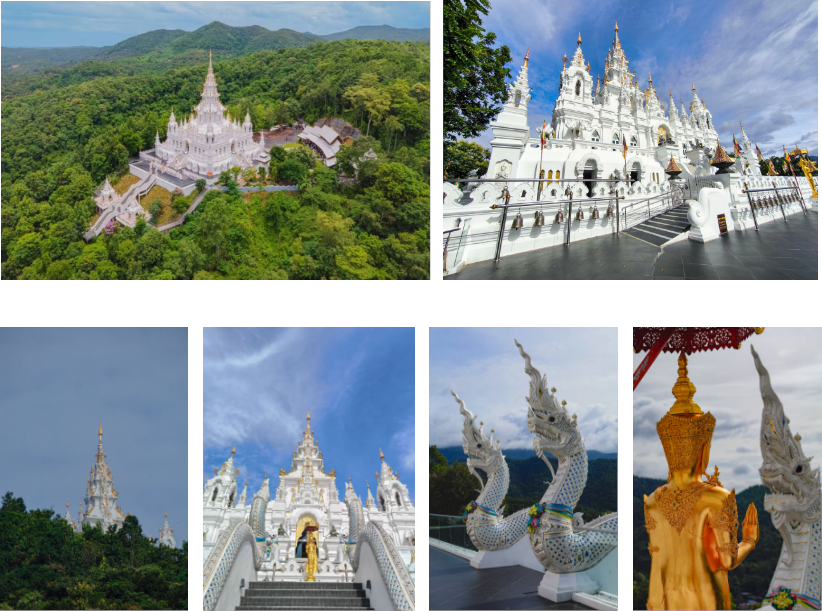
Wat Aranyawas, or Wat Ban Pong, is located in Ban Pong, Hang Dong District, Chiang Mai Province. It is outstanding with its beautiful "Phra That Chedi Sri Muang Pong," a Loha Prasat (Metal Castle), a celestial mansion of Lanna. It is the second metal castle in Thailand and the fourth in the world, standing 486 meters above sea level. It is another temple in Chiang Mai that is worth visiting for worship and reverence.
Before reaching the Loha Prasat (Metal Castle) at Phra That Sri Muang Pong, you must pass Wat Aranyawas. This place of worship is a very interesting stop, with its natural-toned architecture, numerous golden bells and gongs, beautifully landscaped green lawns. From the temple, you can choose to walk up to the Loha Prasat (Metal Castle) at Phra That Sri Muang Pong via the tranquil 900 steps, or drive up the steep and winding road for about 1 kilometer.
"Loha Prasat" is a building or mansion with a metal spire or roof.
This Loha Prasat has a total of 120 spires, all cast in metal and then covered in real gold leaf.
https://www.facebook.com/share/p/1JsUaNCbvj/
(Fern)
พระธาตุศรีเมืองปง โลหะปราสาทแห่งเชียงใหม่
วัดอรัญญวาส หรือ วัดบ้านปง ตั้งอยู่ในบ้านปง อำเภอหางดง จังหวัดเชียงใหม่ โดดเด่นสวยงามด้วย "พระธาตุเจดีย์ศรีเมืองปง" โลหะปราสาททิพยวิมานคำแห่งเมืองล้านนา เป็นโลหะปราสาทแห่งที่ 2 ในไทย และแห่งที่ 4 ของโลก สูงจากระดับน้ำทะเล 486 เมตร ถือเป็นอีกหนึ่งวัดในเชียงใหม่ที่เหมาะไปเยี่ยมชม สักการะ กราบไหว้
ก่อนขึ้นไปถึงโลหะปราสาท พระธาตุศรีเมืองปง ต้องผ่านวัด อรัญญวาส สถานที่สักการะแห่งนี้เป็นจุดแวะพักที่น่าสนใจมาก ด้วยสถาปัตยกรรมโทนสีธรรมชาติ มีระฆังและฆ้อง สีทองมากมาย สนามหญ้าสีเขียวที่ตกแต่งอย่างสวยงามพร้อมประตูไม้สีแดงที่มีการตกแต่งอย่างสวยงาม จากวัดคุณสามารถเลือกเดินขึ้นไปยัง โลหะปราสาท พระธาตุศรีเมืองปง ผ่านบันได 900 ขั้นที่เงียบสงบ หรือจะขับรถขึ้นไปตามถนนที่สูงชัน และคดเคี้ยวประมาณ 1 กิโลเมตร
"โลหะปราสาท" คือตึกหรือคฤหาสน์ที่มียอดหรือหลังคาเป็นโลหะ
โลหะปราสาทหลังนี้มียอดทั้งหมด 120 ยอด หล่อด้วยโลหะทั้งหมดแล้วลงรักปิดทองแท้
https://www.facebook.com/share/p/1JsUaNCbvj/
(Fern)
A Story from the Mountain Orchard: A Durian Harvesting Journey in Ranong
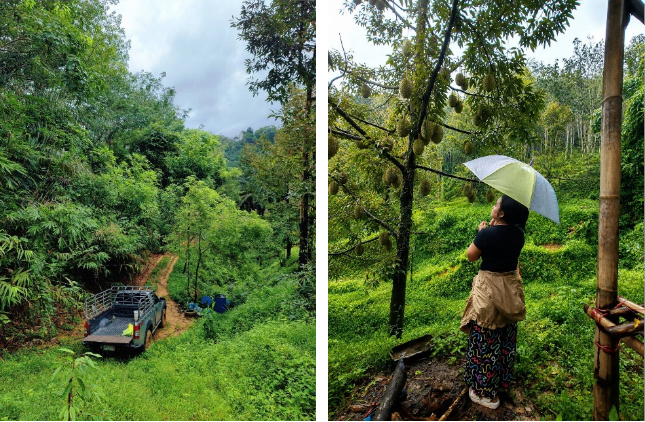
Ranong is a small province along Thailand’s Andaman coast in the southern part of the country. Known for its rich natural environment and mountainous landscapes, Ranong is often referred to as the “City of Eight Months of Rain and Four Months of Sun,” reflecting its long and rainy seasons. As we traveled into the mountains, we were surrounded by lush greenery, humid air, and ever-changing weather. At times, sunlight filtered through the treetops, only to be followed by a gentle rain. This is part of the unique charm that makes Ranong so special.
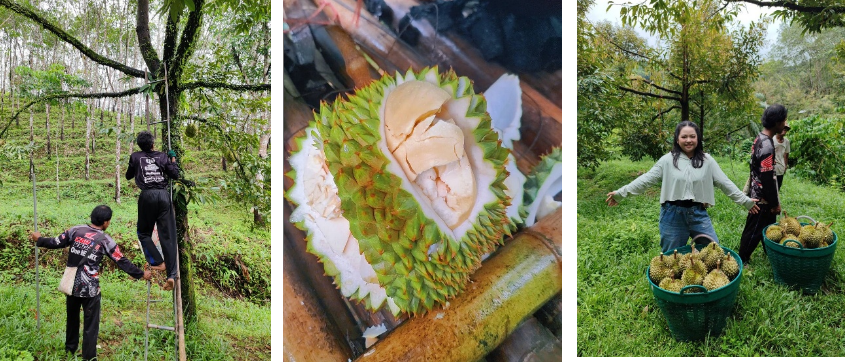
Harvesting durians in a mountain orchard was an experience unlike any other. From following natural paths into the orchard and exploring the durian trees to
carefully selecting fruits that were ready for harvest, every step required both experience and care from the growers.
Surrounded by rain and sunshine, harvesting the durians ourselves allowed us to experience the life of the orchard up close. It also gave us a deeper appreciation of
how much time, nature, and care go into bringing a single durian from the tree to our hands.
When it was finally time to open and taste the freshly harvested durians, their rich sweetness, fragrant aroma, and distinctive texture made the journey even more
special. Of course, the taste and texture can vary depending on the variety, growing conditions, and harvesting time.
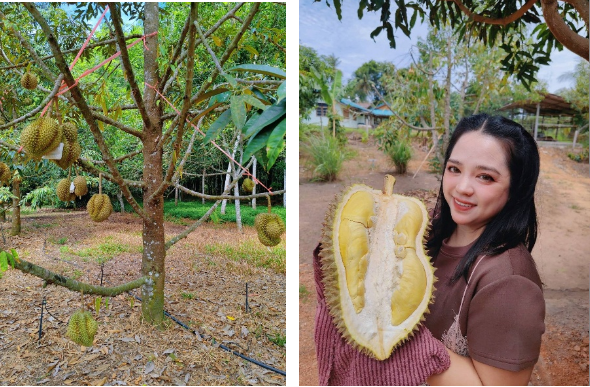
From that journey into the mountains, what we brought home was more than just fresh durians. We also brought back wonderful memories of the nature, the people, and the traditional way of life in the orchard that we
had the chance to experience firsthand.
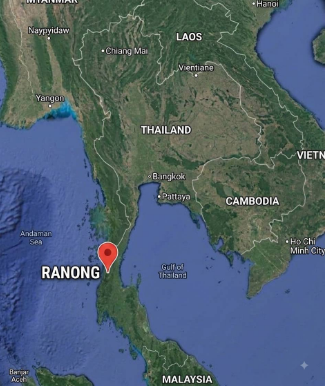

Latitude : 9.9529° N , Longitude : 98.6085° E
Bee Bee Sunisa.
เรื่องเล่าจากสวนบนเขา: ภารกิจเก็บทุเรียนที่จังหวัดระนอง
ระนอง จังหวัดเล็ก ๆ ทางชายฝั่งทะเลอันดามันของภาคใต้ประเทศไทย เป็นหนึ่งในจังหวัดที่มีธรรมชาติอุดมสมบูรณ์และมีภูเขาเรียงรายอยู่มากมาย จนได้รับการขนานนามว่าเป็น “เมืองฝนแปด แดดสี่” คำเรียกที่สะท้อนถึงสภาพอากาศที่มีฝนตกชุกและมีช่วงฝนยาวนาน เมื่อเดินทางขึ้นสู่พื้นที่บนเขา เราจะได้สัมผัสกับความเขียวชอุ่ม อากาศชื้น และบรรยากาศที่เปลี่ยนแปลงอยู่เสมอ บางช่วงมีแสงแดดส่องผ่านยอดไม้ และไม่นานก็อาจมีสายฝนโปรยลงมา เป็นเสน่ห์ที่ทำให้ระนองมีเอกลักษณ์ในแบบของตัวเอง
การเก็บทุเรียนบนเขาเป็นประสบการณ์ที่แตกต่างออกไป ตั้งแต่การเดินทางเข้าไปในสวนตามเส้นทางธรรมชาติ เดินสำรวจต้นทุเรียน ไปจนถึงการเลือกตัดผลที่พร้อมเก็บเกี่ยว ทุกขั้นตอนล้วนต้องอาศัยทั้งประสบการณ์และความใส่ใจของคนทำสวน
ท่ามกลางฝนและแดด การได้ลงมือเก็บทุเรียนด้วยตัวเองทำให้เราได้สัมผัสวิถีของสวนอย่างใกล้ชิด และได้เห็นว่ากว่าทุเรียนหนึ่งลูกจะมาถึงมือเรา ต้องผ่านทั้งเวลา ธรรมชาติ และการดูแลเอาใจใส่ของคนปลูก
เมื่อถึงเวลาที่ได้ผ่าทุเรียนจากสวนมาชิม ความหวานมัน กลิ่นหอม และเนื้อสัมผัสที่เป็นเอกลักษณ์ของทุเรียนภาคใต้ ก็ยิ่งทำให้การเดินทางครั้งนี้พิเศษขึ้นไปอีก ทั้งนี้ รสชาติและเนื้อสัมผัสอาจแตกต่างกันไปตามสายพันธุ์ สภาพพื้นที่ และช่วงเวลาการเก็บเกี่ยว
จากการเดินทางขึ้นเขาในวันนั้น สิ่งที่ได้กลับมาไม่ได้มีเพียงทุเรียนสด ๆ จากสวน แต่ยังเป็นความทรงจำดี ๆ จากธรรมชาติ ผู้คน และวิถีการทำสวนที่ได้สัมผัสด้วยตัวเอง
ละติจูด (Latitude): 9.9529° N , ลองจิจูด (Longitude): 98.6085° E
Bee Bee Sunisa.
Local food at Chiang Mai morning market
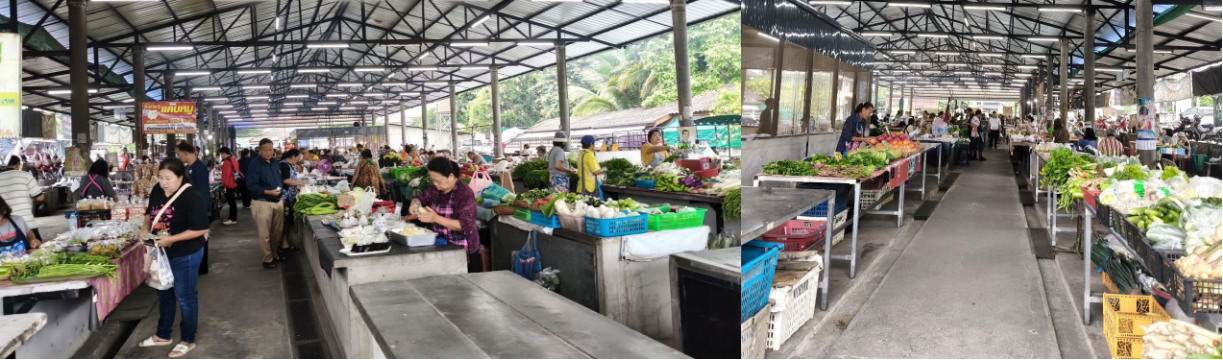
Experience the northerner lifestyle with Chiang Mai's local cuisine, easily available and with authentic flavors at local morning markets.
There are many morning markets in Chiang Mai city center where locals frequent for breakfast. Each market has its own unique character and menu.
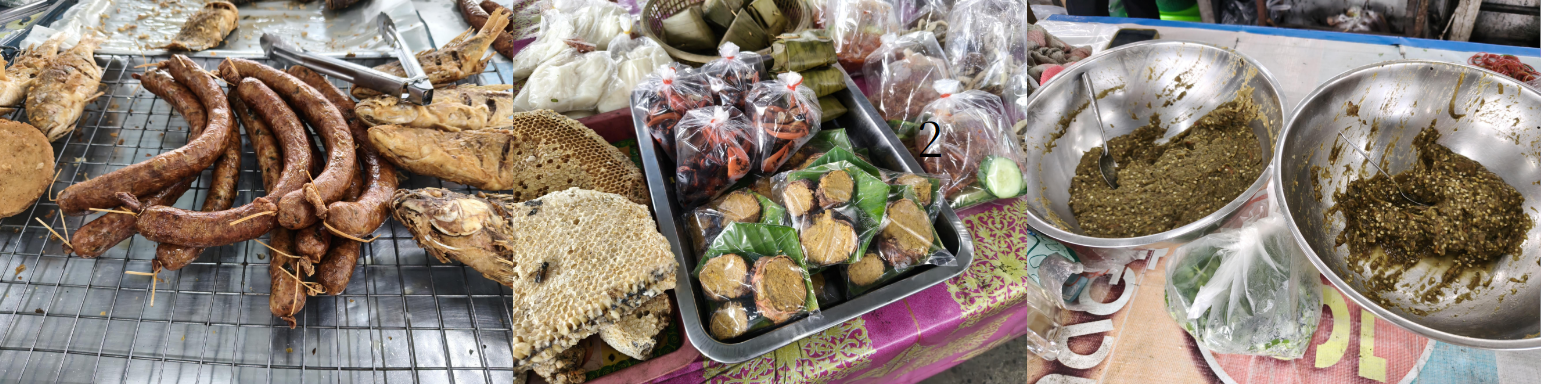
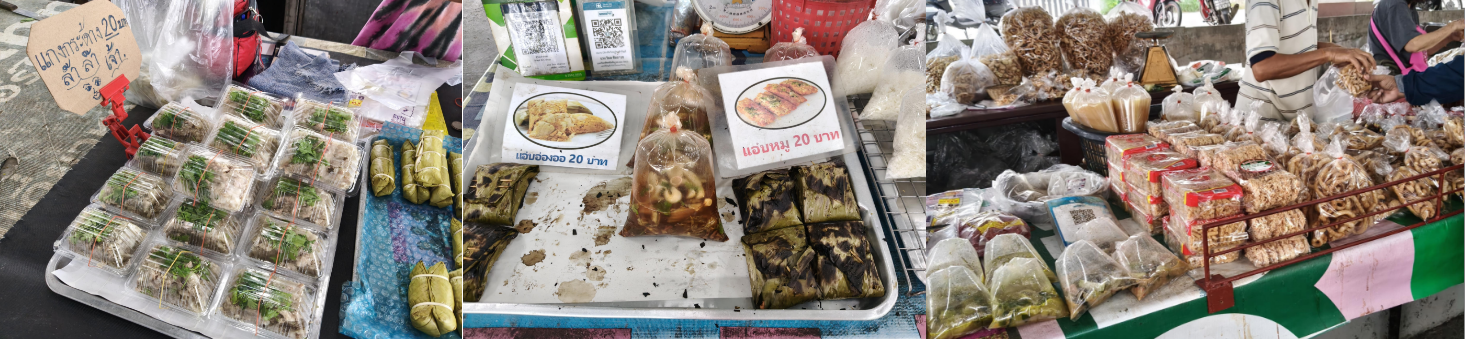
This is the morning market near my house, Mae Yoi (San Sri) Market, San Sai District, Chiang Mai Province. They offer a wide variety of local breakfast items every day, such as Northern Thai Green Chilli Dip (Nam Prik Num), Pork rinds, grilled and fried pork, Northern Thai sausage (Sai Ua), Crab Paste, Thai Northern Style Grilled Minced Pork (Aeb Moo), Jelly Pork Curry (Kaeng Kradang) etc. These dishes are perfectly paired with sticky rice and are simple yet popular breakfast choices for the locals.
(Fern)