

INFORMATION
December 9th, 2025
OECD Watch, a global civil society network with more than 140 members in over 50 countries pointed out on its letter [ 1,2] that Thailand was presently far from achieving terms, conditions and process for accession under the Roadmap of OECD.
[1,2]
https://www.oecdwatch.org/download/38443/?tmstv=1776839174
I was extremely surprised to find that the email addresses of all the participants were exposed to the attendees in an email from the organizer of a seminar on chemicals, which will be hosted on April 23rd by The Department of Industrial Works (DIW).
On top of that, the organizer has not responded to my complaint about the exposure of attendees' email addresses.
To make matters worse, the online form to reconfirm attendance listed the names of all participating organizations, requiring attendees to select theirs from a drop-down menu. This suggests that the earlier email leak was likely no accident.
That might be a typical example that supported the letter by OECD Watch on the aspect of human rights and privacy.
I do believe that Thailand can change its mind set through the accession processes with OECD.
On April 23rd, a full-day seminar will be held in Bangkok to facilitate Thailand's accession preparations through the framework of the OECD Chemicals and Biotechnology Committee.
Following the submission of its Letter of Intent to the OECD in 2024, the Thai government is currently undergoing the formal review process in accordance with the "Accession Roadmap." To secure membership, Thailand must align its regulatory standards with those of the OECD Chemicals and Biotechnology Committee.
Key requirements include:
-
Mutual Acceptance of Data (MAD): Establishing a legal framework to recognize OECD-compliant GLP data.
-
Quantitative Risk Assessment: Developing an evaluation system covering all chemical substances, beyond the scope of specific hazardous materials.
As the current Hazardous Substance Act (HSA) cannot address these requirements, the long-stalled "Chemical Act" is now being revitalized and aligned with OECD standards.
Key highlights of the seminar will be available on this website.
―4月23日(木)、OECD化学物質・バイオテクノロジー委員会の枠組みを通じたOECD加盟準備に向け、バンコク都内で終日、開催されます。―
タイ政府は2024年、OECDへLetter of Intent(加盟意向書)を「提出し、現在は「加盟ロードマップ」に沿った審査プロセスにあります。
OECDに加盟するためには、化学物質関連においてもOECD化学委員会(Chemicals and Biotechnology Committee)の基準を満たす必要があります。
- データの相互受け入れ: OECD認定のGLPデータを受け入れる法的枠組み。
- 化学物質の定量的リスク評価: 特定の有害物質だけでなく、全化学物質を対象とした評価体制。
これらは現行の有害物質法(Hazardous Substance Act)では対応しきれないため、長らく進捗が見られなかった化学品法(Chemical Act)をOECD基準に合わせ込むため、全面的な見直しが必要になったと考えられます。
セミナーの要点はこのウェブサイトでご紹介します。
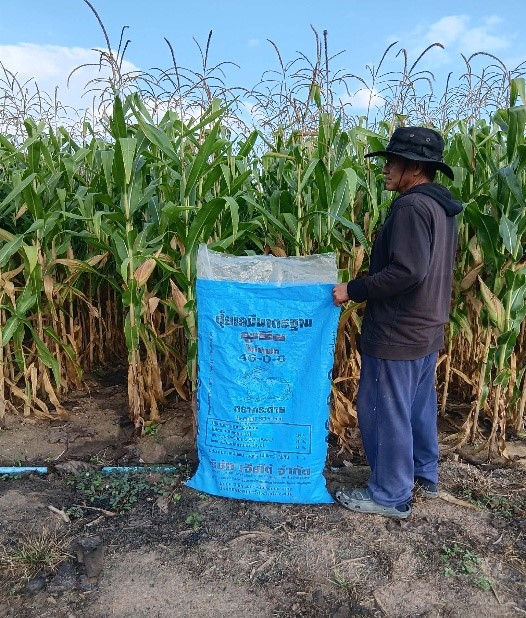
ช่วงนี้ใครที่อยู่ในสายเกษตร หรือแม้แต่คนที่ต้องซื้อปุ๋ยใช้เอง น่าจะเริ่มรู้สึกเหมือนกันว่า “ราคาปุ๋ยแอบขึ้นอีกแล้วนะ” โดยเฉพาะปุ๋ยตัวหลักอย่างยูเรีย 46-0-0 และ 40-0-0 ที่หลายคนใช้เป็นประจำ
ถ้าดูจากตัวเลขล่าสุด ราคายูเรียในตลาดโลกอยู่ที่ประมาณ 600–650 ดอลลาร์/ตัน และปรับตัวเพิ่มขึ้นมากกว่า 30–50% จากช่วงก่อนหน้าในบางตลาด ขณะที่ในประเทศไทย ราคาขายปลีกเริ่มขยับมาอยู่ที่ประมาณ 900–1,000 บาทต่อกระสอบ (50 กก.) แล้ว ซึ่งถือว่าเพิ่มขึ้นค่อนข้างชัดเจนในระยะเวลาไม่นาน
สาเหตุหลักไม่ได้มาจากในประเทศ แต่เป็นผลกระทบจากตลาดโลก โดยเฉพาะในตะวันออกกลางที่เป็นแหล่งผลิตสำคัญของโลก ช่วงนี้มีทั้งปัญหาการผลิตและการขนส่ง รวมถึงกรณีที่ผู้ผลิตรายใหญ่อย่าง QatarEnergy หยุดการผลิตปุ๋ยบางส่วน ทำให้กำลังการผลิตของโลกหายไปหลายล้านตันต่อปี พอ supply ลดลงแบบนี้ ราคาก็ปรับขึ้นทันที
ในฝั่งของไทยเอง แม้ว่าภาครัฐจะระบุว่ายังมีสต็อกปุ๋ยประมาณ 8–9 ล้านกระสอบ ซึ่งเพียงพอใช้ได้ถึงช่วงกลางปี แต่ในบางพื้นที่ก็เริ่มมีรายงานว่าปุ๋ยบางสูตร โดยเฉพาะ 40-0-0 เริ่มหาซื้อยากขึ้น และราคาปรับขึ้นราว 10–15% แล้ว
เกษตรกรสามารถซื้อปุ๋ยจากหลายแหล่ง เช่น
1. สหกรณ์การเกษตร → ราคาต่ำสำหรับสมาชิกเท่านั้น และปุ๋ยอาจไม่พร้อมจำหน่ายเสมอไป
2. ร้านขายปุ๋ย/อุปกรณ์การเกษตรทั่วไป → สะดวกและใกล้บ้าน แต่ราคาปรับตามกลไกตลาด
3. ผู้จัดจำหน่าย → สำหรับการสั่งซื้อจำนวนมาก
4. การสั่งซื้อออนไลน์ → เริ่มมีขายมากขึ้น แต่ค่าจัดส่งค่อนข้างสูงเพราะคิดตามน้ำหนักของสินค้า
ในมุมของคนใช้งานจริง ช่วงนี้อาจต้องวางแผนมากขึ้นนิดนึง ไม่ว่าจะเป็นการซื้อเผื่อ การเปรียบเทียบราคา หรือเลือกใช้ปุ๋ยให้เหมาะกับพืชและช่วงเวลา เพราะแนวโน้มตลาดยังถือว่า “ผันผวน” และมีโอกาสปรับขึ้นต่อได้ ขึ้นอยู่กับสถานการณ์โลก โดยเฉพาะเรื่องพลังงานและการขนส่ง
สุดท้ายแล้ว เรื่องราคาปุ๋ยอาจดูเป็นเรื่องไกลตัวสำหรับบางคน แต่จริง ๆ มันเชื่อมโยงกับต้นทุนอาหารของเราทุกคนแบบหลีกเลี่ยงไม่ได้เลย ช่วงนี้เลยเป็นอีกช่วงที่ต้องจับตาดูให้ดี ว่าราคาจะหยุดขึ้นเมื่อไหร่…หรือจะไปต่ออีก
ขอบคุณข้อมูลจาก
Link : https://www.moc.go.th/th/gallery/category/detail/id/5/iid/1690?utm_source=chatgpt.com
Link : https://www.amarintv.com/news/social/542132
(Bee)
Recently, those working in agriculture—or even individuals who regularly purchase fertilizers—may have started to notice that “fertilizer prices are going up again,” especially for key products such as urea (46-0-0) and 40-0-0, which are widely used.
Based on the latest data, global urea prices are currently around USD 600–650 per ton, representing an increase of approximately 30–50% in some markets compared to earlier periods. In Thailand, retail prices have also risen to around 900–1,000 THB per 50-kg bag, reflecting a noticeable upward trend within a relatively short time.
The main drivers are not domestic, but rather global market factors. The Middle East, a major fertilizer production hub, has been facing disruptions in both production and logistics. In particular, the halt in fertilizer production by QatarEnergy has removed several million tons of supply from the global market. As supply tightens, prices have increased accordingly.
In Thailand, although the government has reported that fertilizer stocks remain at approximately 8–9 million bags, which should be sufficient in the short term, there have already been reports of tightening supply in some areas. Notably, 40-0-0 fertilizer is becoming harder to find, with prices increasing by around 10–15%.
Farmers can purchase fertilizers from various sources, such as:
- Agricultural cooperatives → Prices are lower but limited to members, and products may not always be available.
- General fertilizer or agricultural supply stores → Convenient and accessible, but prices fluctuate according to market conditions.
- Distributors → Suitable for bulk purchases.
- Online platforms → Increasingly available, but shipping costs are relatively high due to weight-based pricing.
For end users, this means that better planning may be necessary—whether it’s purchasing in advance, comparing prices, or selecting appropriate fertilizer formulations. The market remains volatile, and prices may continue to fluctuate depending on global developments, particularly energy prices and logistics conditions.
Ultimately, fertilizer prices may seem like a distant issue for some, but they are directly linked to food production costs that affect everyone. This is a situation worth monitoring closely, as it remains uncertain whether prices will stabilize—or continue to rise.
Data from
Link : https://www.moc.go.th/th/gallery/category/detail/id/5/iid/1690?utm_source=chatgpt.com
Link : https://www.amarintv.com/news/social/542132
(Bee)