

blog post
Local food at Chiang Mai morning market
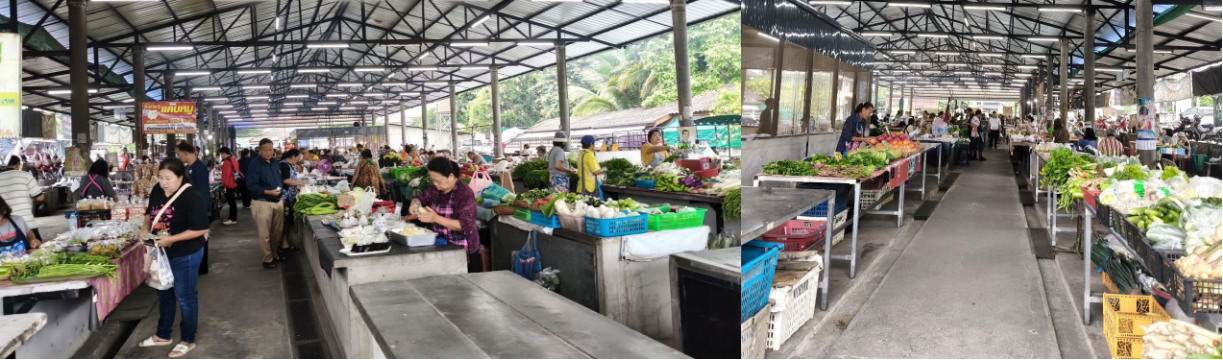
Experience the northerner lifestyle with Chiang Mai's local cuisine, easily available and with authentic flavors at local morning markets.
There are many morning markets in Chiang Mai city center where locals frequent for breakfast. Each market has its own unique character and menu.
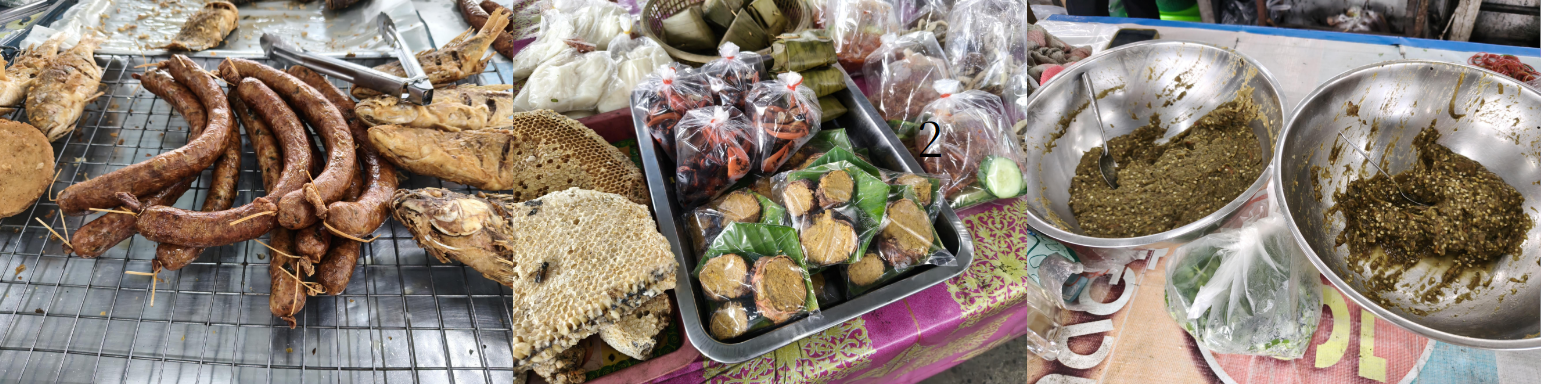
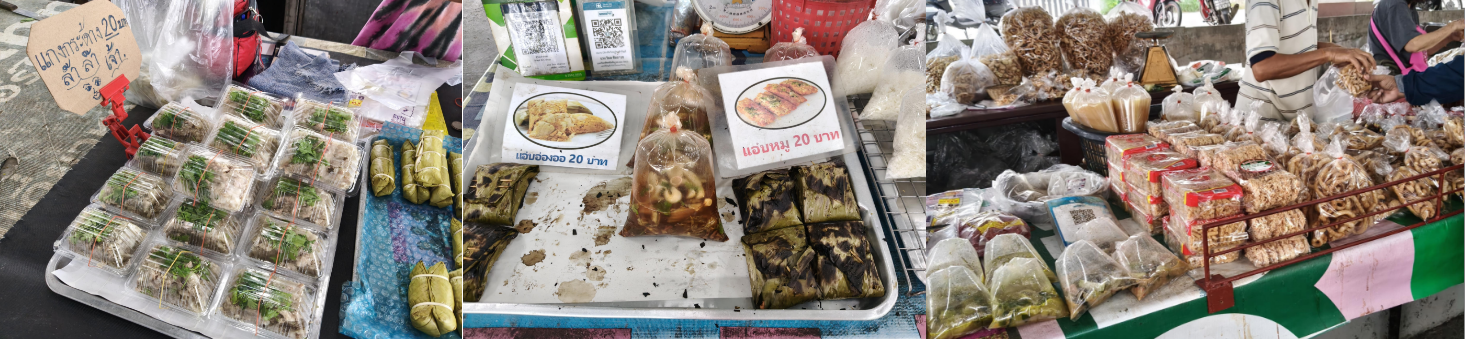
This is the morning market near my house, Mae Yoi (San Sri) Market, San Sai District, Chiang Mai Province. They offer a wide variety of local breakfast items every day, such as Northern Thai Green Chilli Dip (Nam Prik Num), Pork rinds, grilled and fried pork, Northern Thai sausage (Sai Ua), Crab Paste, Thai Northern Style Grilled Minced Pork (Aeb Moo), Jelly Pork Curry (Kaeng Kradang) etc. These dishes are perfectly paired with sticky rice and are simple yet popular breakfast choices for the locals.
(Fern)
อาหารพื้นเมืองในตลาดเช้าเชียงใหม่
สัมผัสวิถีชีวิตคนเมือง (คนเหนือ) ด้วยอาหารพื้นเมืองเชียงใหม่ หาซื้อได้ง่ายและรสชาติต้นตำรับตามตลาดเช้าท้องถิ่น
ตลาดเช้าในตัวเมืองเชียงใหม่ที่คนท้องถิ่นนิยมไปซื้อหาอาหารเช้ามีมากมายตามพื้นที่อยู่อาศัย แต่ละตลาดมีความโดดเด่นและเมนูที่แตกต่างกันไป
นี่คือตลาดเช้าแถวบ้านฉัน กาดแม่ย่อย (สันศรี) อ.สันทราย จ.เชียงใหม่ มีอาหารเช้าพื้นเมืองให้เลือกสันในทุกๆวัน เช่น น้ำพริกหนุ่ม, แคบหมู, หมูย่าง-ทอด, ไส้อั่ว, ปูอ่อง, แอ๊บหมู, แกงกระด้าง เป็นต้น เมื่อทานกับข้าวเหนียวแล้วลงตัวสุดๆ เป็นเมนูง่ายๆของคนพื้นเมืองที่นิยมซื้อกินในตอนเช้า
(Fern)
タイの都県別人口推移(改訂版)
タイ国 都県別人口推移 (2013-2025)
One Day Trip to Ban Tha Rit, Behind Pa Sak Jolasid Dam, Saraburi Province
A natural attraction known as the “New Zealand of Thailand,”
where beautiful scenery and pleasant weather come together in one trip.
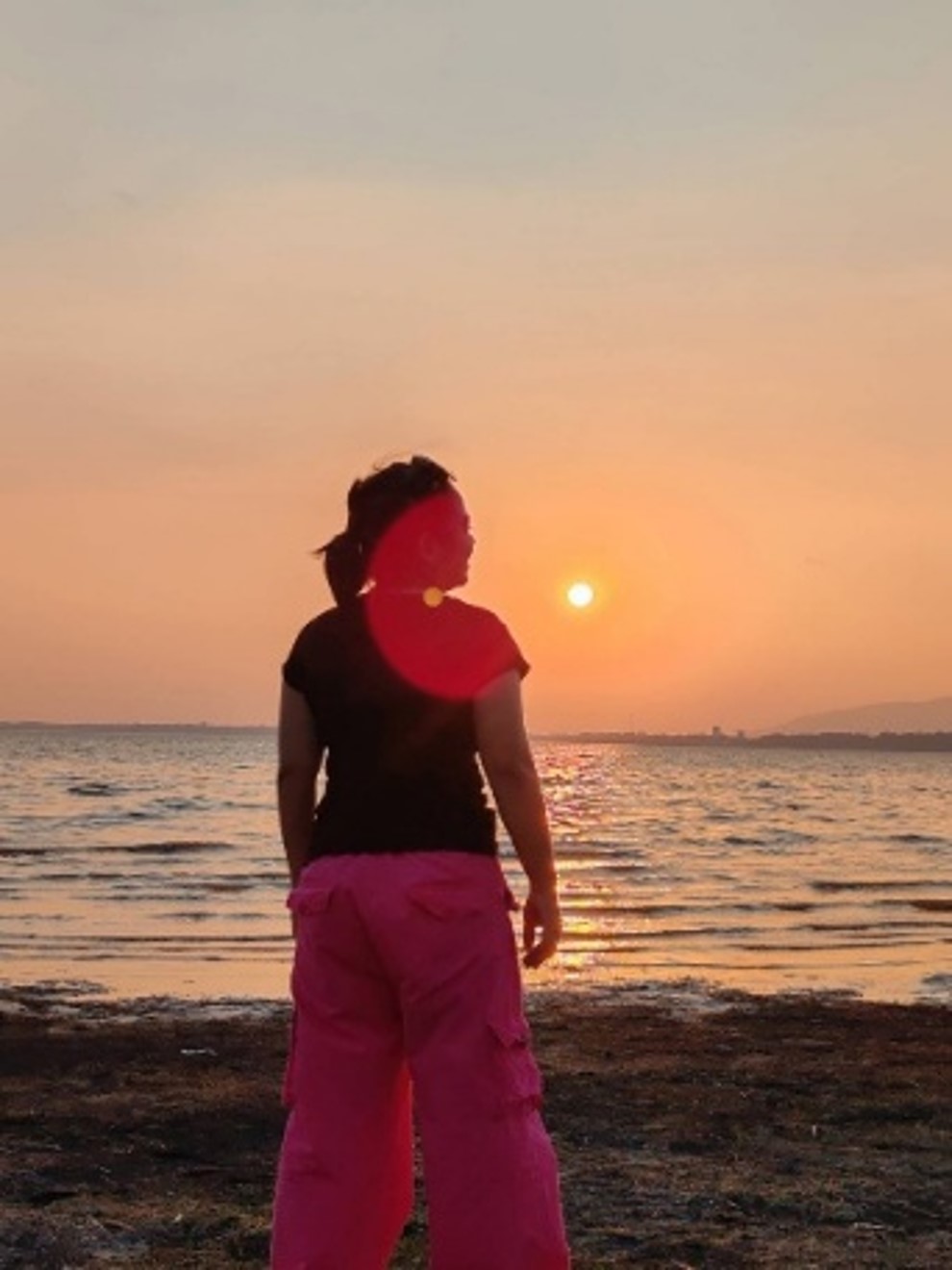
Golden hour by the reservoir — calm and beautiful.
This place is full of freshness, surrounded by vast green grasslands, scenic reservoir views, and beautiful mountains, with a cool breeze that helps visitors relax and unwind from daily fatigue.
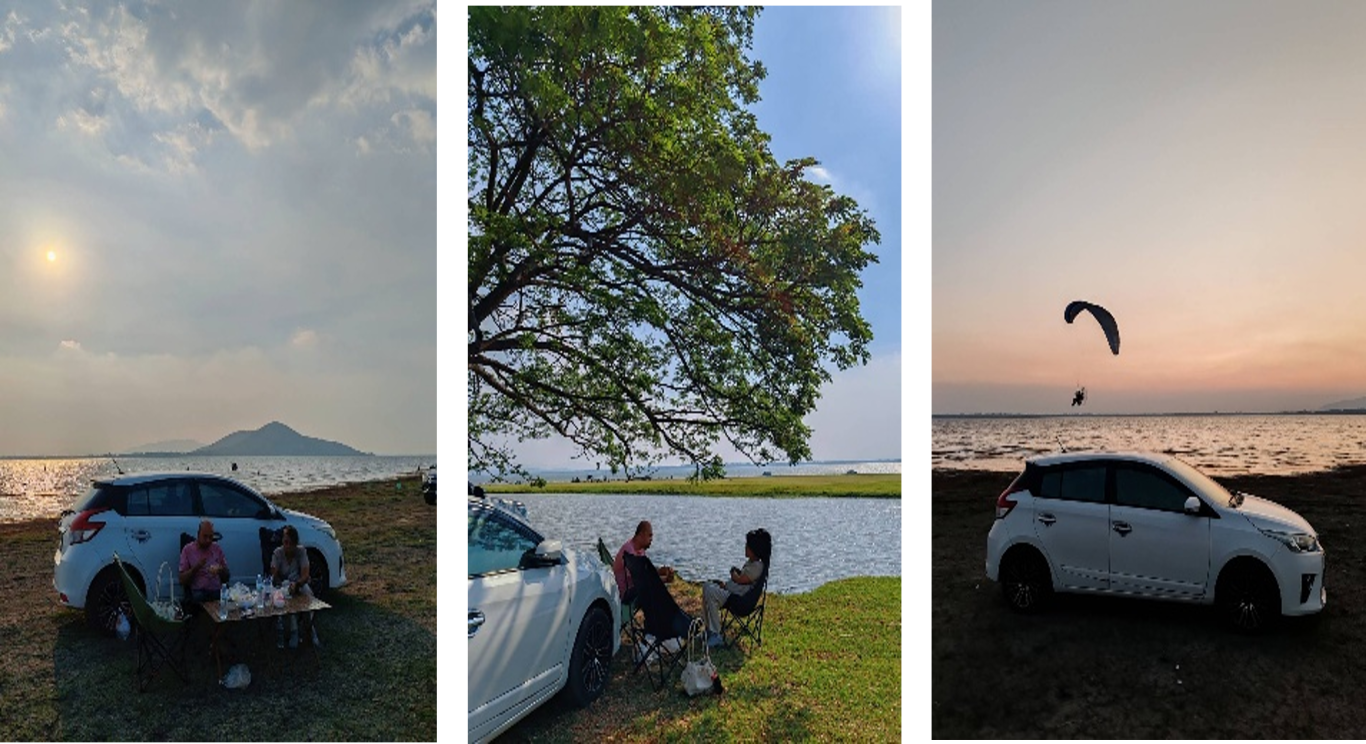
A paramotor gliding over the water at sunset — a sight not to be missed.
Particularly from late winter to summer (approximately February to April), when the water level in the dam recedes, a vast open area along the reservoir emerges, allowing visitors to drive down, park, enjoy a picnic, and have dinner while experiencing nature up close.
One of the highlights of this destination is the chance to meet adorable sheep grazing freely across the grasslands, adding warmth and unique charm to the landscape. For anyone who loves capturing moments with nature and cute animals, this place is the perfect answer.
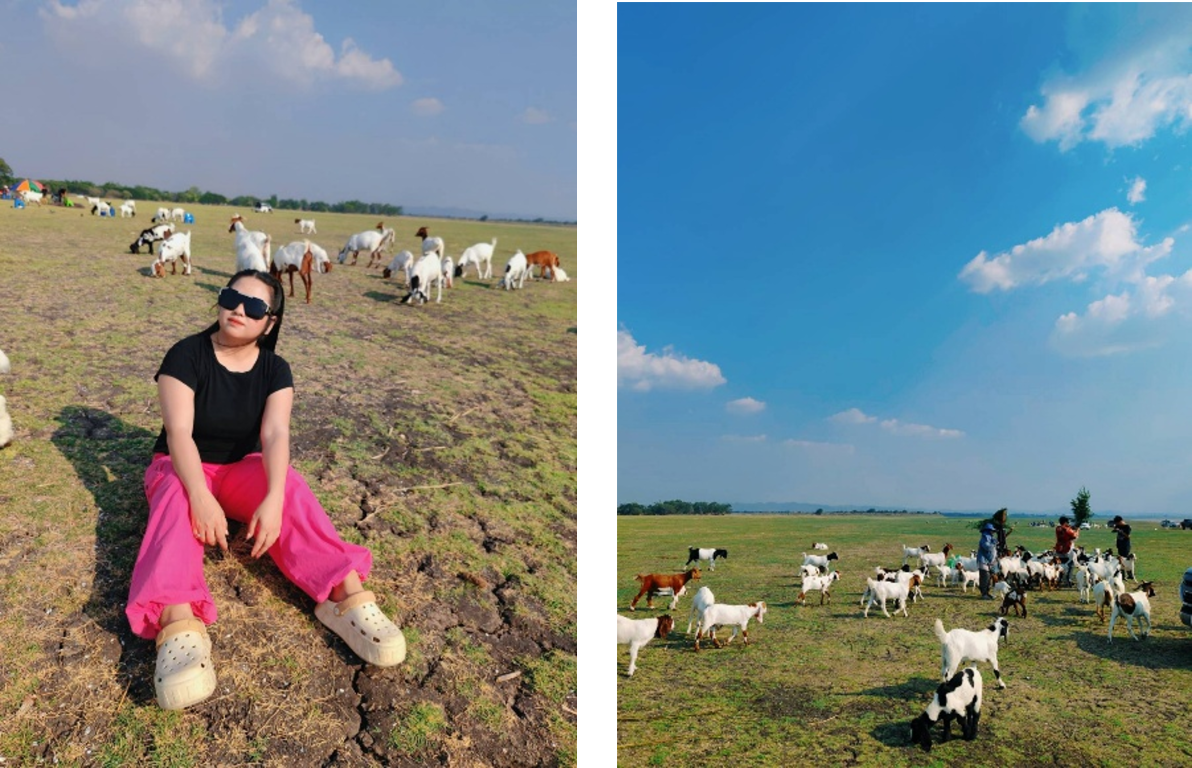
Beyond the beauty of nature, this trip also became a special moment that allowed us to share smiles and create wonderful memories together.
For those seeking a short getaway near Bangkok that offers scenic views, fresh air, and a peaceful atmosphere, Ban Tha Rit (บ้านท่าฤทธิ์) at the end of Pa Sak Jolasid Dam (เขื่อนป่าสักชลสิทธิ์) is truly a destination worth visiting.
(Bee)
Map & Directions
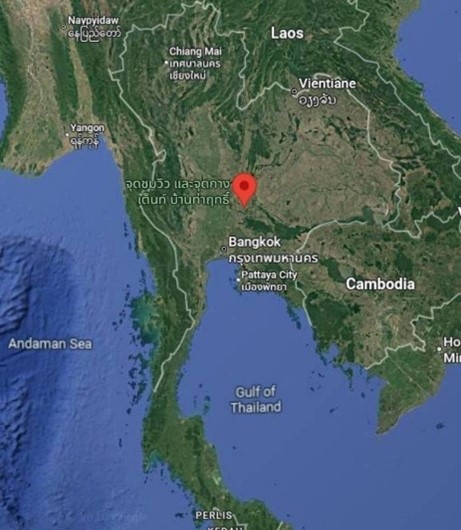
Illustrative map showing Ban Tha Rit (red pin) behind Pa Sak Jolasid Dam
Location: Ban Tha Rit viewpoint / campsite, behind Pa Sak Jolasid Dam
Address: Tambon Wang Muang, Amphoe Wang Muang, Saraburi 18220, Thailand
GPS Coordinates: 14.8901, 101.0973
Google Maps: https://maps.google.com/?cid=17377870411803536904
One Day Trip ณ บ้านท่าฤทธิ์ ท้ายเขื่อนป่าสัก จ.สระบุรี
สถานที่ท่องเที่ยวธรรมชาติที่หลายคนขนานนามว่า"นิวซีแลนด์เมืองไทย"จุดหมายที่ทั้งวิวสวยและอากาศดีในทริปเดียว
แดดยามเย็นริมอ่างเก็บน้ำ บรรยากาศสงบและสวยงาม
ที่นี่เต็มไปด้วยความสดชื่น รายล้อมด้วยทุ่งหญ้าสีเขียวกว้างสุดสายตา วิวอ่างเก็บน้ำ และภูเขาที่สวยงาม พร้อมลมเย็น ๆ ที่ช่วยให้รู้สึกผ่อนคลายจากความเหนื่อยล้าได้เป็นอย่างดี
พาราไกลเดอร์ลอยเหนือผืนน้ำยามพระอาทิตย์ตก อีกหนึ่งภาพที่ไม่ควรพลาด
โดยเฉพาะใน ช่วงปลายฤดูหนาวถึงฤดูร้อน (ประมาณเดือนกุมภาพันธ์–เมษายน) ซึ่งเป็นช่วงที่ระดับน้ำในเขื่อนลดลง พื้นที่ด้านล่างจะเผยให้เห็นลานกว้างริมอ่างเก็บน้ำ ทำให้ผู้คนสามารถขับรถลงไปจอด นั่งปิกนิก และรับประทานอาหารเย็นท่ามกลางบรรยากาศธรรมชาติได้อย่างใกล้ชิด
อีกหนึ่งไฮไลต์ของที่นี่คือการได้พบกับ น้องแกะสุดน่ารัก ที่เดินเล็มหญ้าอย่างอิสระ เพิ่มความอบอุ่นและเสน่ห์ให้กับสถานที่แห่งนี้มากยิ่งขึ้นใครที่ชอบถ่ายรูปคู่กับธรรมชาติ
และสัตว์น่ารัก ๆ ที่นี่คือคำตอบ
นอกจากความสวยงามของธรรมชาติแล้ว ทริปครั้งนี้ยังเป็นอีกหนึ่งช่วงเวลาที่ทำให้เราได้สร้างรอยยิ้มและความทรงจำดี ๆ ร่วมกัน
หากใครกำลังมองหาทริปสั้น ๆ ใกล้กรุงเทพฯ ที่ได้ทั้งวิวสวย อากาศดี และบรรยากาศชิล ๆ บ้านท่าฤทธิ์ ท้ายเขื่อนป่าสัก คือหนึ่งในตัวเลือกที่ไม่ควรพลาด
แผนที่และการเดินทาง
แผนที่แสดงตำแหน่งบ้านท่าฤทธิ์ (หมุดแดง) ท้ายเขื่อนป่าสักชลสิทธิ์
(Bee)
สถานที่: จุดชมวิว/จุดกางเต็นท์ บ้านท่าฤทธิ์ ท้ายเขื่อนป่าสักชลสิทธิ์
ที่อยู่: ตำบลวังม่วง อำเภอวังม่วง จังหวัดสระบุรี 18220
พิกัด GPS: 14.8901, 101.0973
Google Maps: https://maps.google.com/?cid=17377870411803536904